

PRODUCTS

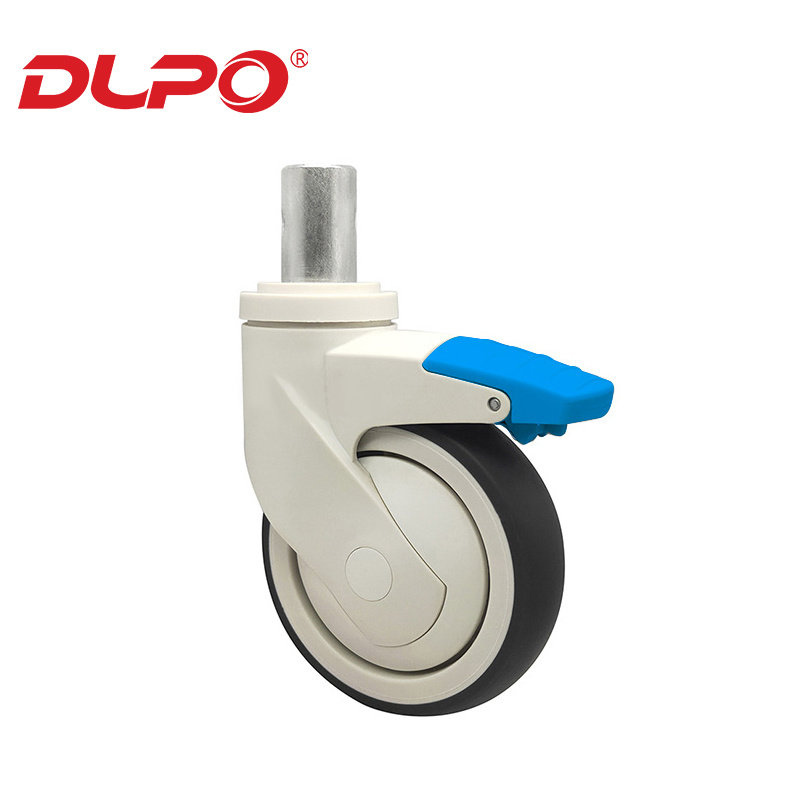
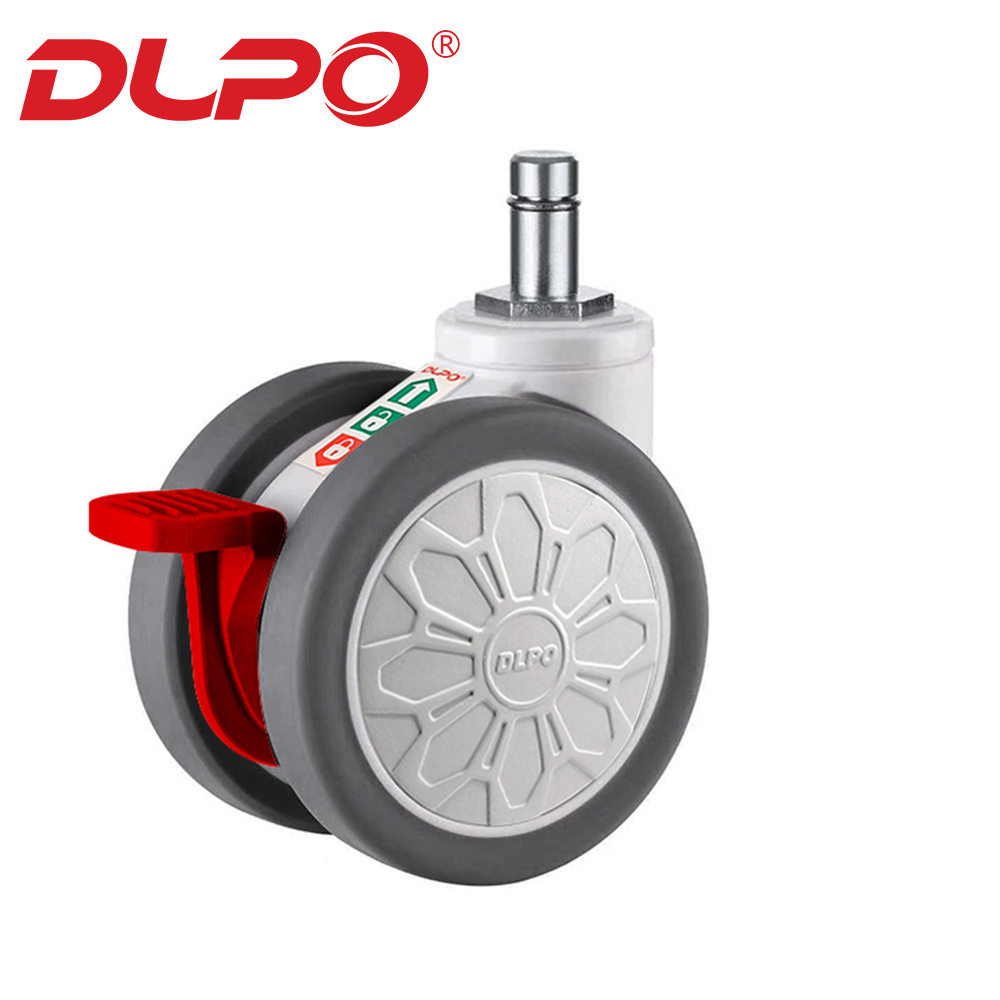
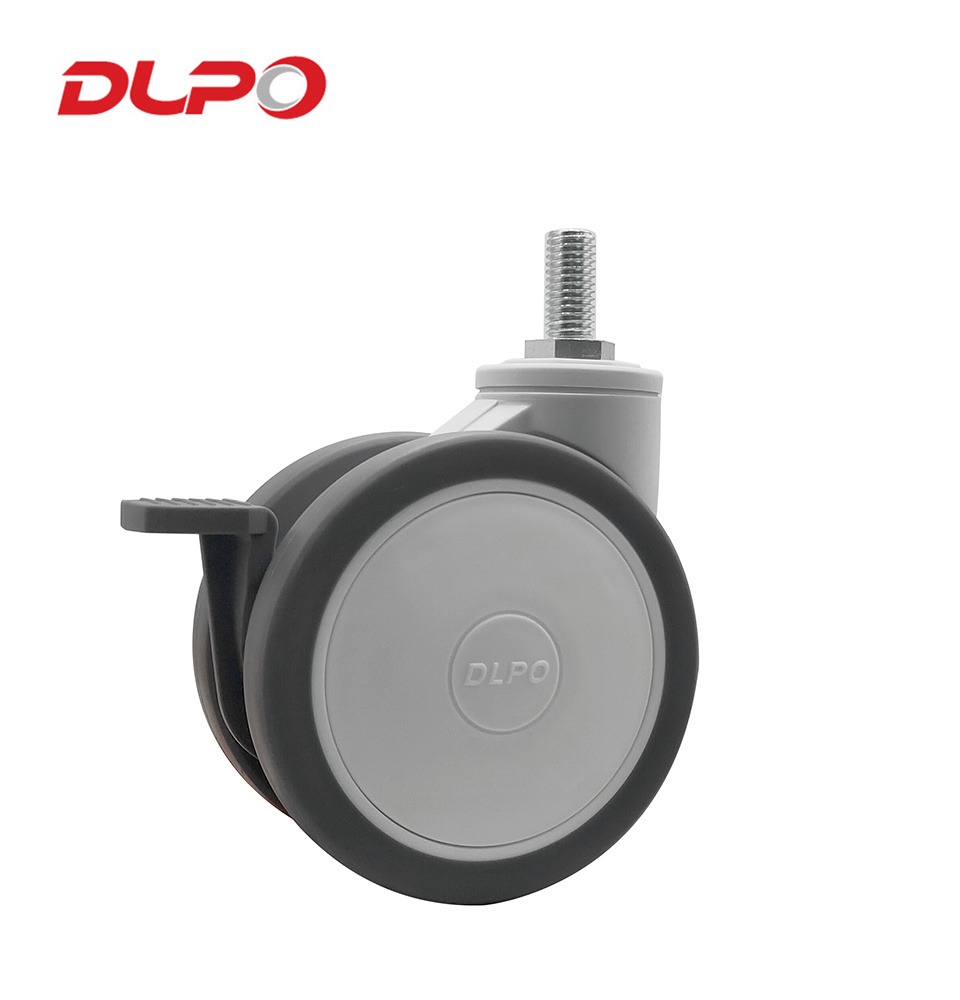
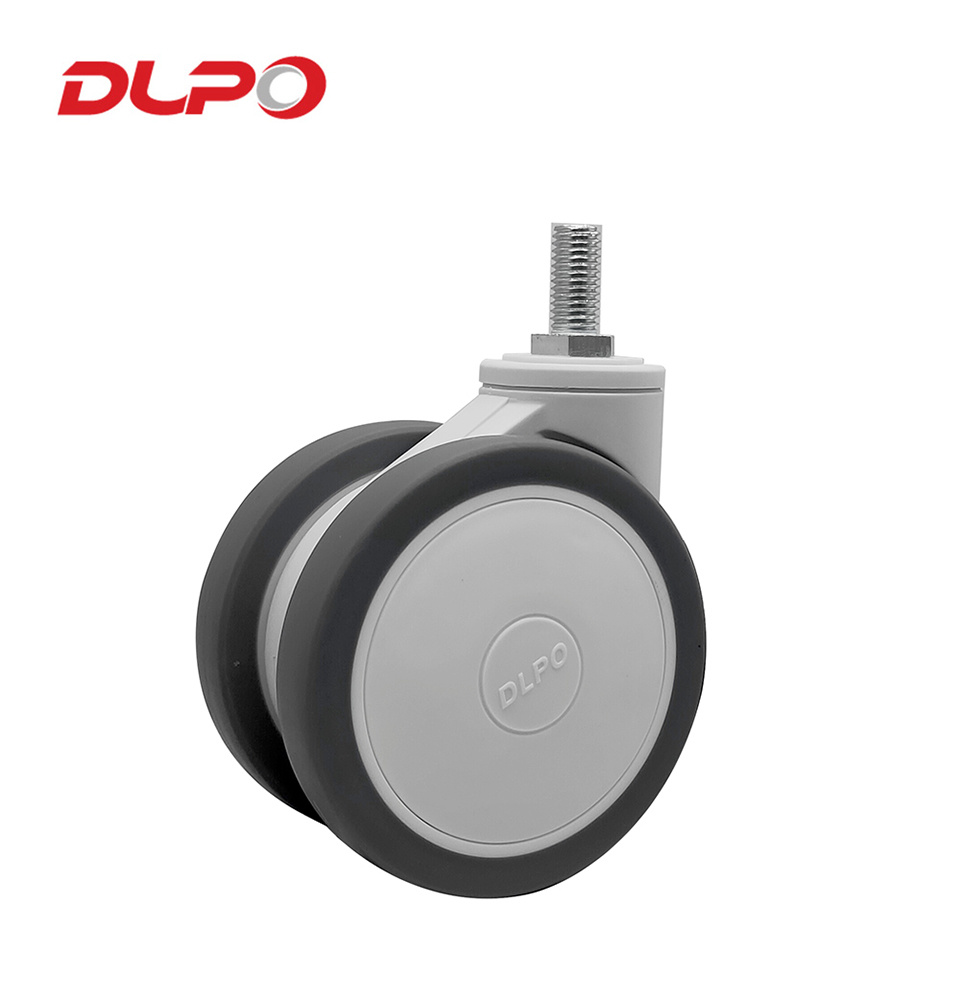
Paint stand TPR stick type caster
The actual installation of the application of industrial casters will be involved riveting riveting step ,, good and bad technology related to the safe use of the follow-up of casters, below to find out more about what is industrial casters riveting technology.
Category:
Product
Light Furniture Casters
Furniture Wheel
Key words:
I want to make an inquiry
Product Detail
The actual installation of the application of industrial casters will be involved riveting riveting step ,, good and bad technology related to the safe use of the follow-up of casters, below to find out more about what is industrial casters riveting technology.
1. The industrial caster riveting method makes the deformation of the rivet conform to the natural flow direction of the metal, does not reduce the notch impact toughness and ductility of the material, and reduces the risk of excessive tangential tensile stress around the rivet head. The riveted material has no broken fiber. Flow can improve the carrying capacity of the rivet. After the riveting test of the swinging cold-rolling caster and the traditional hammering and stamping caster riveting test pieces, the joint strength of the cold-rolling caster riveting method is about 80% higher than that of the conventional caster riveting. After the cold-rolling casters are riveted, the rivets have almost no deformation, such as bending, drums and piers. At the same time, the parts connected to the rivet are not deformed. The hammering and stamping of the casters are riveted. Because of the pressure applied by the case and the impact, the above defects are more obvious.
2. The industrial rivet riveting rivet head is purely rolling on the rivet without sliding. The surface roughness after rivet forming depends only on the rivet head, and the surface roughness of the rivet head is easy to ensure. Therefore, the surface of the rivet is riveted with cold rolling casters. It is unmatched by other caster riveting methods.
3, using the cold rolling caster riveting method, the caster riveting almost no noise (less than 70db), no vibration. The traditional hammering and stamping caster riveting method has a noise of more than 90db.
Next
Next


Address:D Building of Dashiling Industrial Park, Longgan g District, Shenzhen, Longdong Community, Baolong Street Shiyan town,Bao'an district, Shenzhen,Guangdong,China
Tel : +86 755 2815 8929
VIP Customer Line: +86 133 1691 1708
Website: www.dlpocasters.com
Email: qzdali@188.com